
Balancing local culture and global comfort in Mexico City
Designing for Glocalization
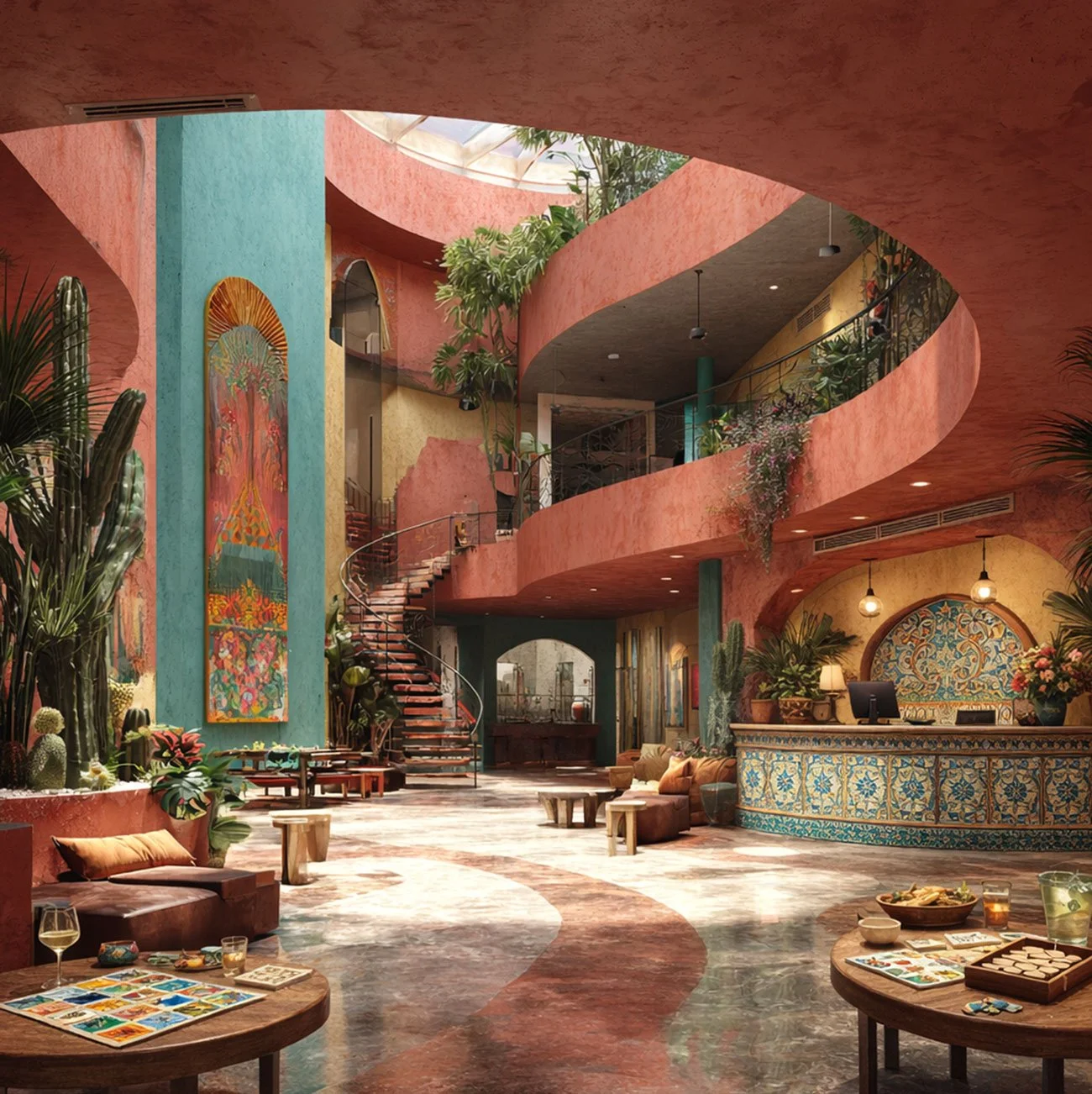
Casa del Corazón Abierto is a 16-room prototype boutique hotel in Mexico City’s Roma neighbourhood. In this hotel guests choose between “tiptoe” and “full immersion” at every touchpoint. The circular courtyard, covered by a glass roof, uses planting to create seats that are either open to conversation or tucked away in privacy. Check-in starts at a familiar desk, then moves to an herbal tea chosen by the host to suit the guest’s mood. In the rooms, a foldable celosía screen lets guests open or close the sleeping area, while a record player holds albums picked by staff, each with a personal note.
By Tijs van Duivendijk, 2026
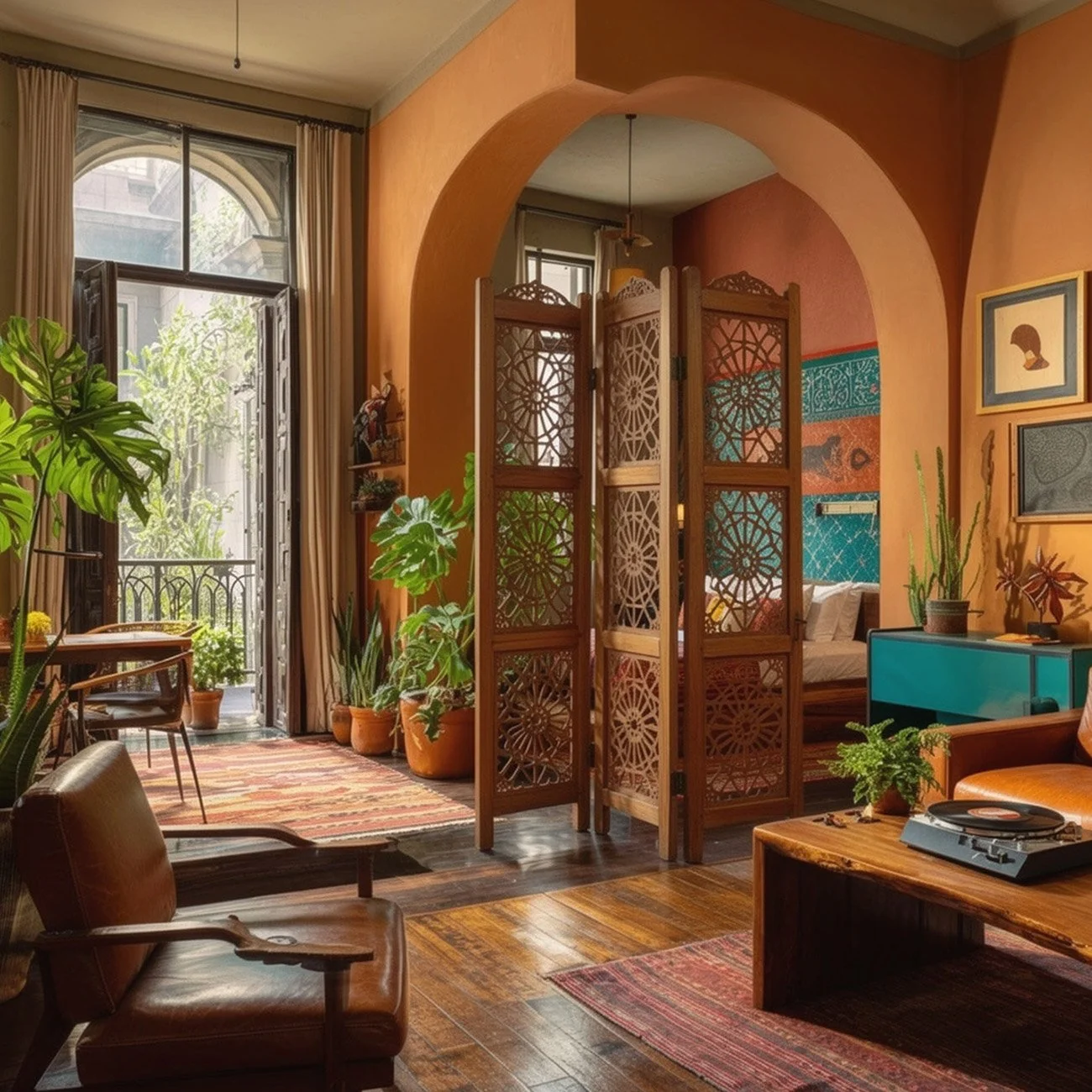
Guest Room with the bed placed in an arched alcove and behind a foldable wooden celosía, creating a clearer division within the space without adding walls.
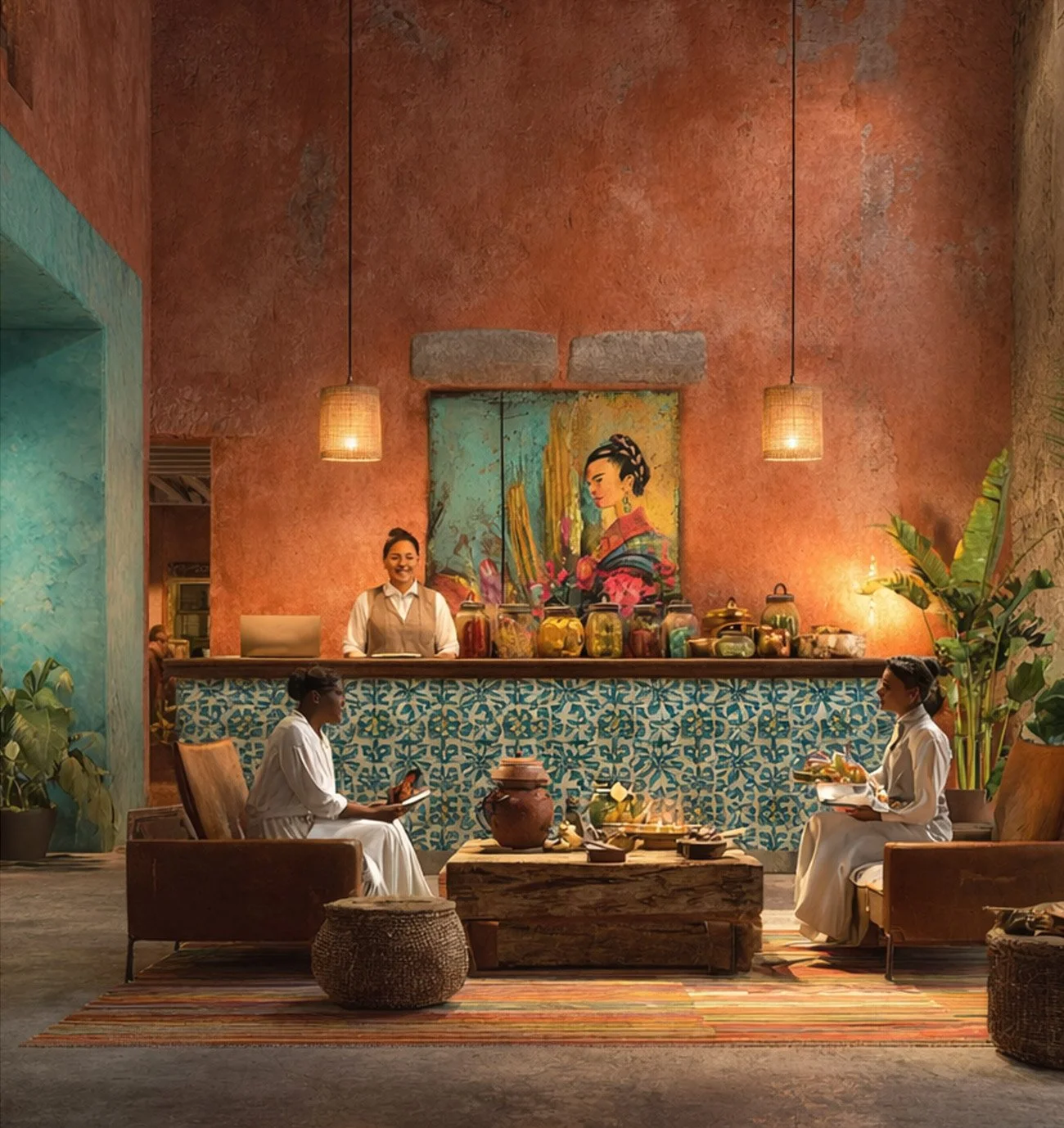
Guests are welcomed at the reception desk with Talavera tiles, then continue check-in in the neighbouring lounge with a welcome ritual of Mexican herbal teas.
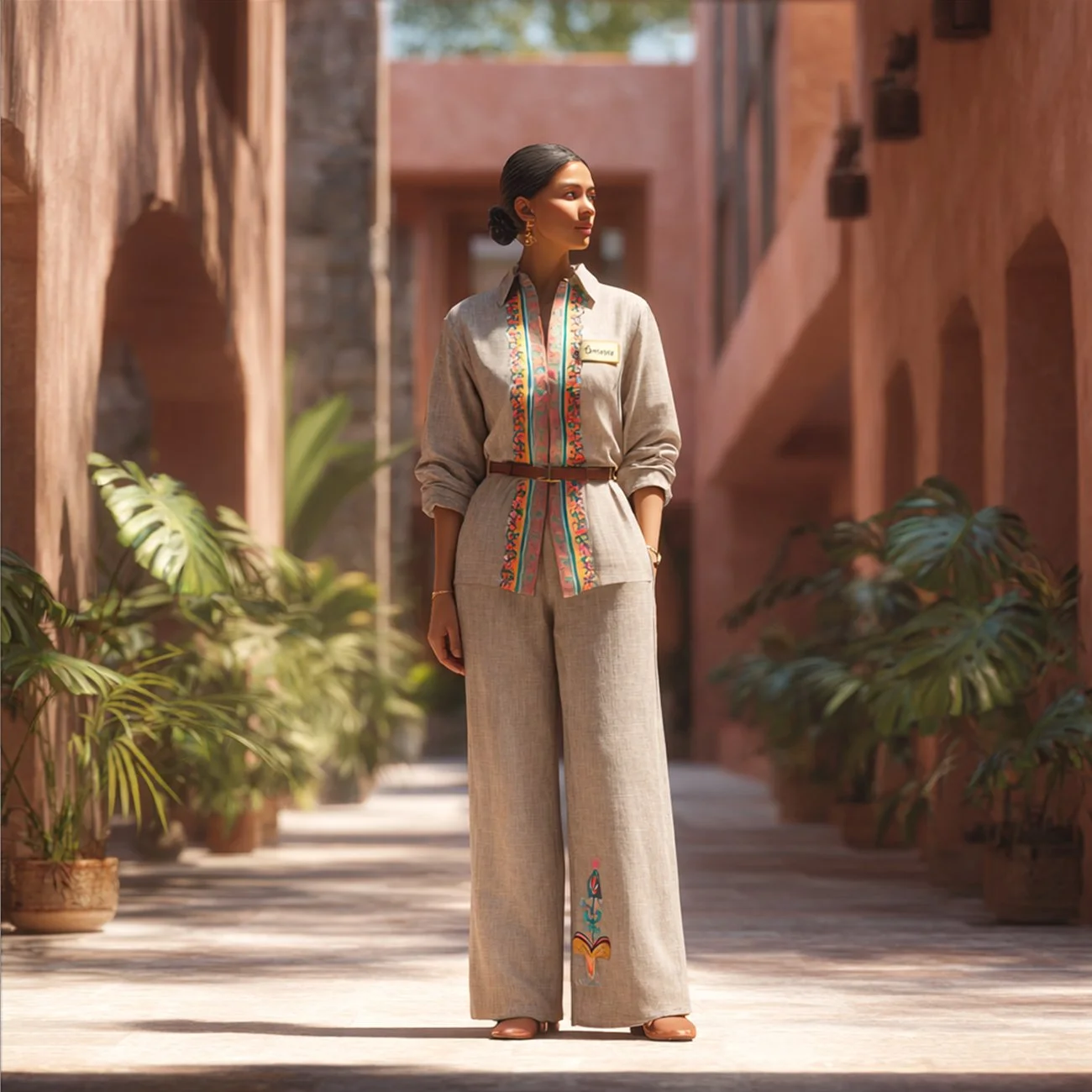
Beige cotton staff attire balances international standards with local touches, like the embroidered panel of textile patterns. The rolled-up sleeves and personal jewellery add a level of authenticity.
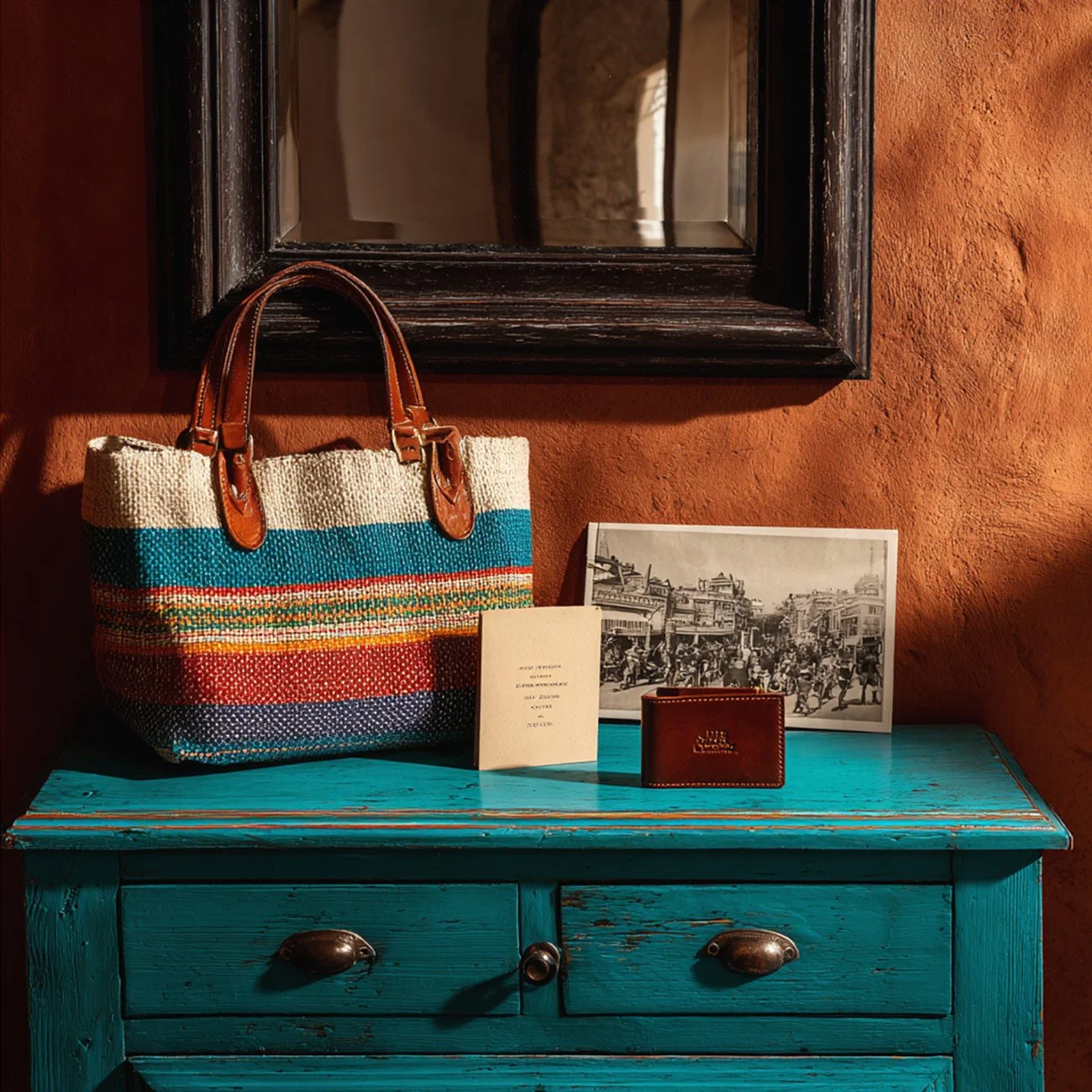
On arrival, guests receive a Mercado Kit: a handwoven, borrowable market bag, a personalized leather wallet with initials, and a card with Spanish market phrases.
Local without losing the standard
Hospitality design lessons
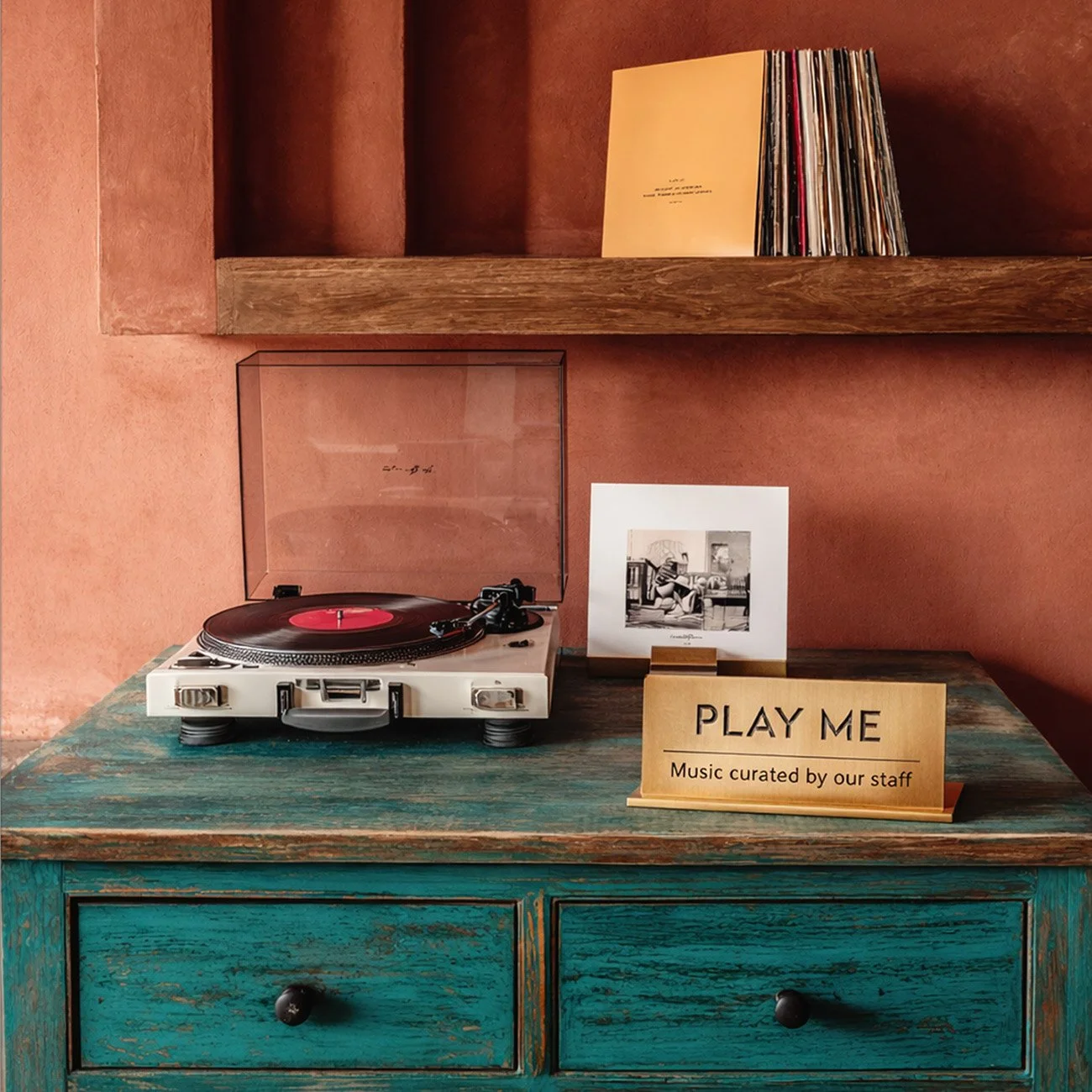
This project offers a method that other hotels can reuse. It starts by fixing what guests expect everywhere, such as clean white towels and reliable comfort. Culture is then added in optional layers: an embroidered symbol on a towel, a tea at check-in or a record chosen by staff. Each can be rebuilt in any destination from local crafts, food and music. Name tags and signage keep guests oriented, while staff remain themselves rather than follow scripts. Developers can start with local partners and a central social space, though larger hotels must test how far this scales.